Birth of Impressionism: Monet's Muse
Birth of Impressionism
Who is the Muse in Monet’s Woman with a Parasol?
Have you recently visited the French Impressionism exhibition at the National Gallery Singapore? One of the most notable figures from this movement is Claude Monet, renowned for his iconic water lily paintings inspired by his garden in Giverny.
The Salon
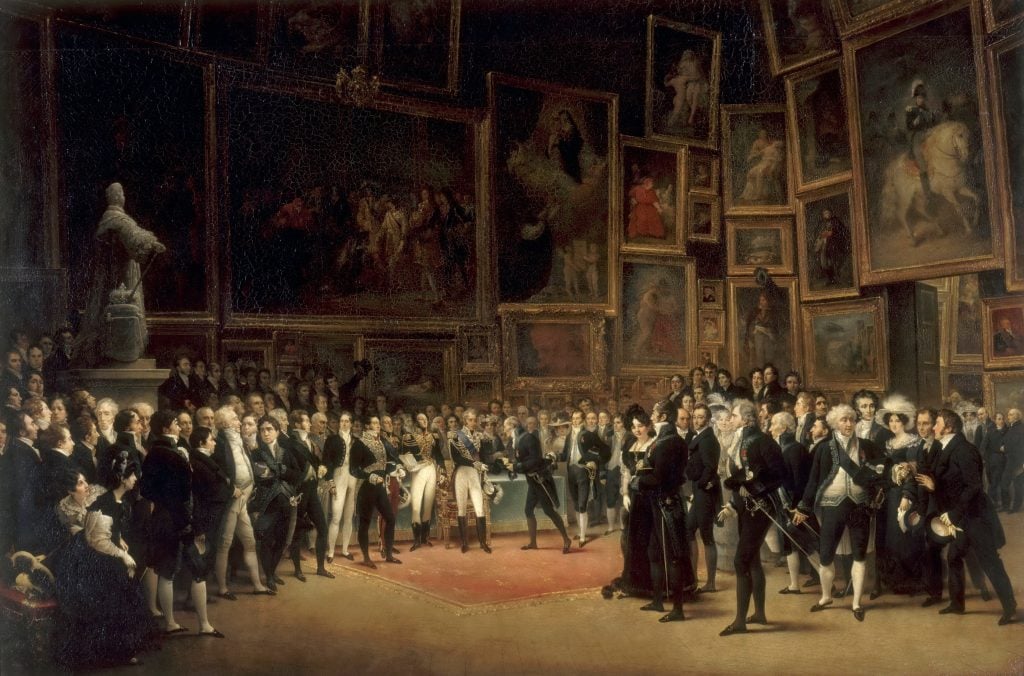
Fig 1. Charles X Distributing Awards to Artists (1827) by François-Joseph Heim
Since 1725, the Paris Salon stood as the ultimate gateway to artistic success. Established in 1725 and organized by the Académie Royale de Peinture et de Sculpture, the Salon dictated not only which artists gained recognition, but also what counted as “good” art. Works that depicted historical or religious subjects, rendered with exceptional technical skill and precision, were strongly favored, reinforcing a strict academic tradition. For aspiring artists in Paris, acceptance into the Salon often meant fame, commissions, and financial stability
Plein Air
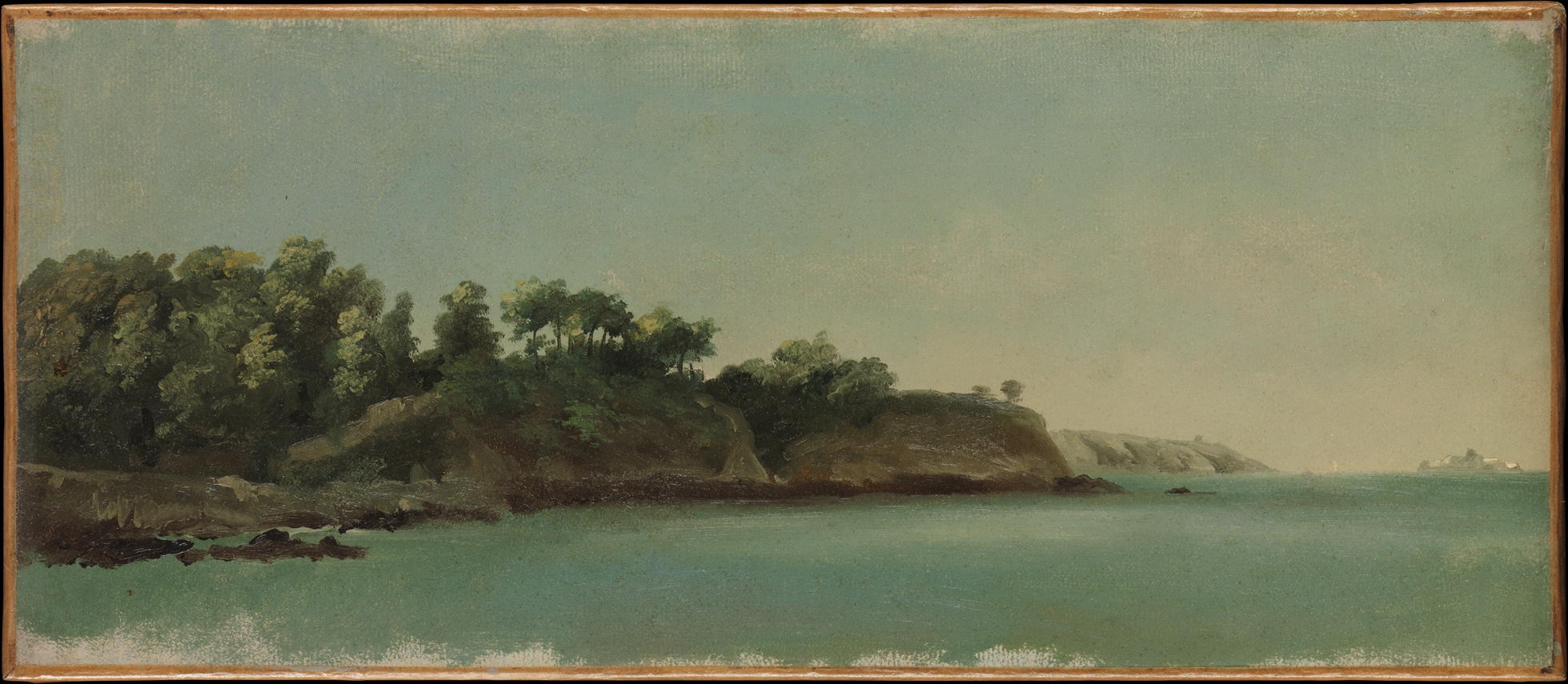
Fig 2. The Banks of the Rance, Brittany by Pierre-Henri de Valenciennes in 1785
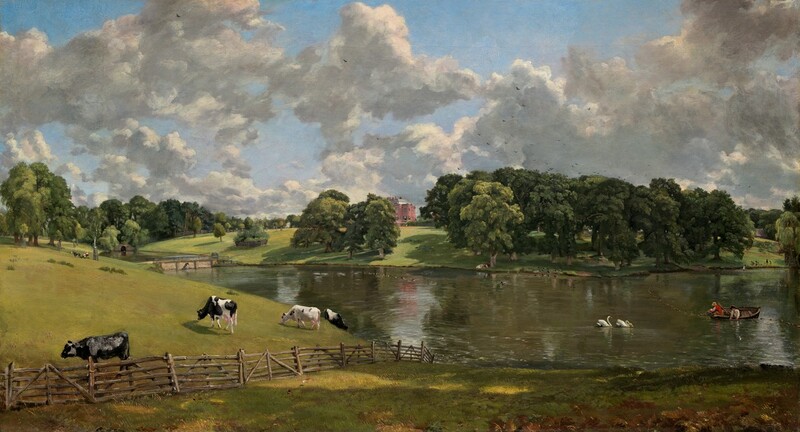 Fig 3. Wivenhoe Park, Essex by John Constable in 1816
However, a shift began to take place as artists moved away from the strict expectations of the Paris Salon and began creating works outdoors. Early pioneers such as Pierre-Henri de Valenciennes and John Constable focused on landscapes and the effects of natural light, challenging traditional studio practices. Their approach influenced the Barbizon School, a group of artists who painted directly from nature, capturing scenes as they appeared in the moment. This stood in contrast to the polished and highly controlled works favoured by the Salon.
At the same time, technological advancements such as the invention of paint in tin tubes in 1841 made painting outdoors more practical, and laid the foundation for the birth of impressionism.
Monet’s Early Journey
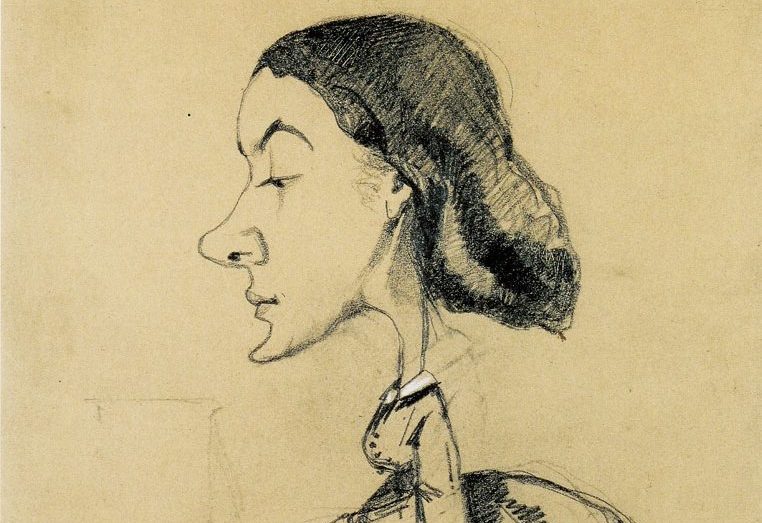
Fig 4. Claude Monet, Caricature of a Young Woman at the Piano, c. 1858, Musée Marmottan Monet, Paris, France. Detail.
Born in Paris and raised in Le Havre, Monet grew up surrounded by coastal landscapes that would later influence his work. As a teenager, he gained recognition as a caricaturist, selling drawings that captured personality and movement with humour and precision. These early experiences sharpened his observational skills and understanding of form.
A turning point in his artistic development came when he met Eugène Boudin, who introduced him to outdoor painting. Boudin encouraged Monet to study light, atmosphere, and movement directly from nature. Monet later credited him as "the first to teach him how to truly see".
Monet went on to his training at the Académie Suisse, where he met fellow artists such as Camille Pissarro and Paul Cézanne. These relationships, along with his growing dissatisfaction with the Salon, pushed him toward experimentation and innovation.
The Birth of Impressionism

Fig 5. Impression, Sunrise Claude Monet 1872
In 1872, Monet painted Impression, Sunrise. The work was criticized by Louis Leroy, who described it as merely an “impression.” Rather than rejecting the criticism, Monet and his peers embraced the term, giving rise to the Impressionist movement.
Impressionism focused on capturing fleeting moments, light, and atmosphere, often depicting everyday life with loose brushwork and vibrant colour. Together with artists such as Pierre-Auguste Renoir and Edgar Degas, Monet helped organise independent exhibitions that broke away from the Salon system and redefined modern art.
The Muse Behind Woman with a Parasol
Among Claude Monet’s most beloved works is Woman with a Parasol – Madame Monet and Her Son. The muse in this painting is Camille Doncieux, his first wife and a central figure in both his life and art. In the painting, Camille is depicted walking through a sunlit field with their child, captured in a fleeting and intimate moment.
Camille first entered Monet’s life as a model and quickly became integral to his artistic journey. She appears in several of his key works, including The Woman in the Green Dress (1866), Women in the Garden (1866), and The Red Kerchief (1868-1873). Through these paintings, Monet explored light, movement, and atmosphere, gradually moving away from academic precision toward the expressive qualities of Impressionism.
Later in her life, Camille fell seriously ill. Monet painted her on her deathbed in Camille on Her Deathbed (1879), capturing a deeply personal and emotional moment.
Learning Through the Masters
At LACA, one of our core modules in the intermediate phase is teaching students to learn through imitation of master artists such as John Constable, Vermeer, Claude Monet, and Van Gogh. By diving deep into these works, students explore the artists’ colour palettes, painting techniques, and thought processes, developing both technical skill and creative understanding.
Interested in finding out more on our oil painting programs, do not hesitate to reach out to us via info@laca.sg or have a look at our long term programs: https://www.laca.sg/collections/long-term-art-programs
Bibliography
Goretti, G. (14 November, 2025). Retrieved from https://www.dailyartmagazine.com/monet-caricatures/
Cohen, A. (22 November, 2025). Retrieved from Artnet: https://news.artnet.com/art-world/art-bites-plein-air-painting-history-2711050#:~:text=In%20the%201780s%2C%20French%20painter,the%20river%20Rance%20in%20Brittany
Brodskaya, N. (n.d.). Claude Monet and Artworks.